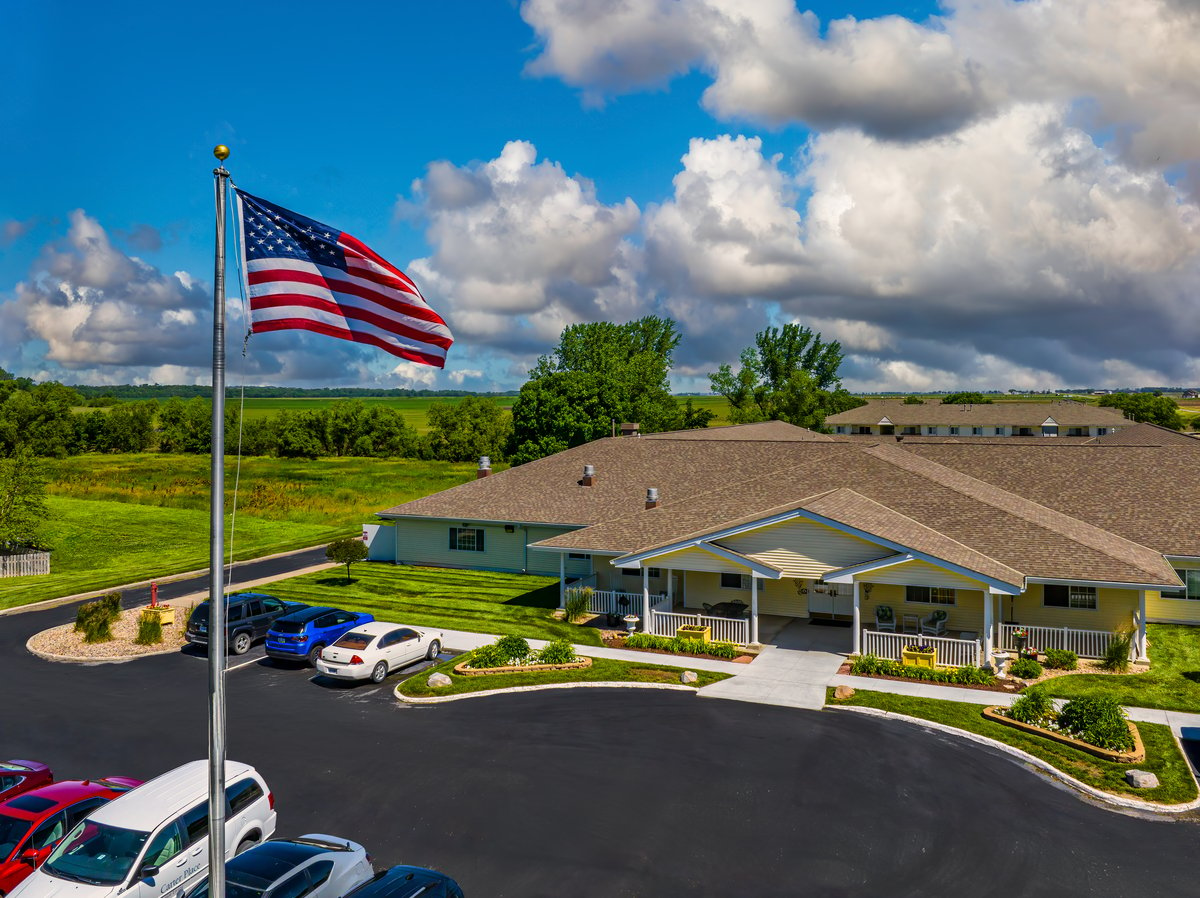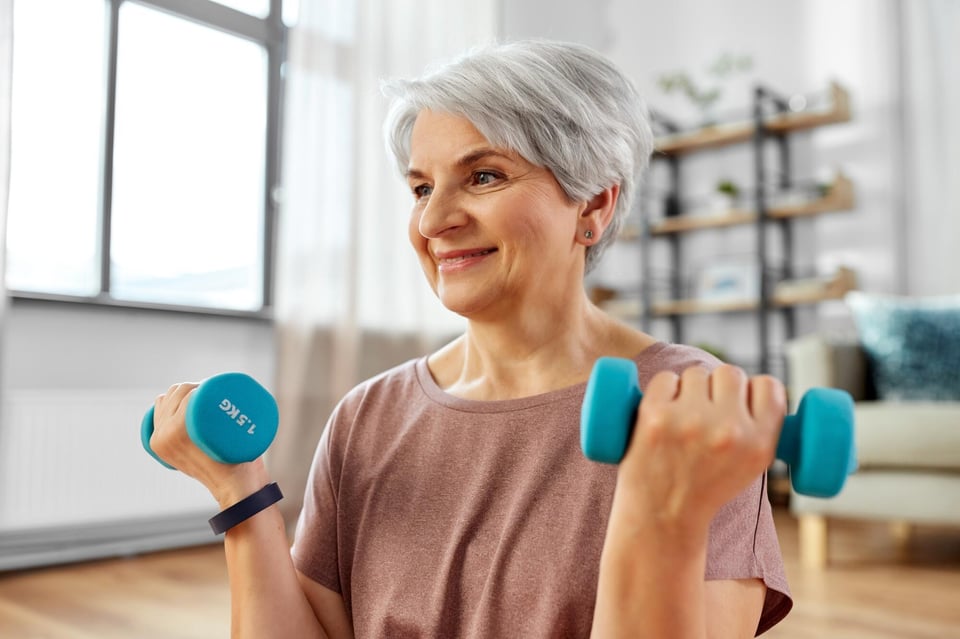
The Blair senior living community at Carter Place supports seniors' strength goals through their tailored fitness programs and holistic health initiatives.
Did you know that more than 14 million adults aged 65+ report a fall each year? That is about one in four seniors, making it a leading cause of injuries among older adults. These falls can dramatically affect mobility, independence, and confidence, making even simple tasks difficult.
The good news is that with some easy lifestyle changes, seniors can significantly reduce these risks. This article will show you how Blair assisted living empowers residents to turn strength goals into lifelong vitality.
You'll also discover why strength in aging matters and how wellness for seniors is supported every day in Blair, NE.
What Happens to Our Bodies as We Age?
As the years pass, the body gradually changes. Cell repair slows, so recovery from illness or injury takes longer. Movement may feel different because joints stiffen and flexibility decreases.
The senses become less sharp. Vision and hearing decline, and taste and smell may weaken. These shifts influence how we connect with our surroundings.
Inside the body, the heart and lungs work harder because blood vessels stiffen and lung tissue loses flexibility. Digestion slows, kidney function decreases, and bladder control may weaken.
The brain also adjusts with age. Memory can slip, reaction times can slow, and coordination may become more challenging. The skin becomes thinner, wrinkles appear, and hair gradually loses pigment or fullness.
Why Does Strength Training Matter?
Strength training matters because it directly protects independence and quality of life.Consider the following:
Muscle Preservation
According to WebMD, adults can lose about 5% of muscle mass per decade after age 30 if they don't actively train. This natural decline, called sarcopenia, makes activities like climbing stairs or carrying groceries difficult, but strength training can slow its progression.
Mobility and Balance
Strength training improves joint stability and balance, which lowers the risk of falls. Exercises like chair squats, wall push-ups, and heel raises build functional strength that directly supports movement.
Bone Health
Resistance training helps maintain bone density, reducing the risk of osteoporosis and fractures. This is especially important for women after menopause, when bone loss accelerates.
Longer Healthy Years
Experts agree that building muscle through resistance work helps older adults enjoy healthier, active years. Strength training helps counter age-related decline by:
- Shielding the body from disease
- Enhancing metabolic health to reduce chronic risks
Mental and Emotional Benefits
Beyond physical health, strength training boosts mood and cognitive function. Regular exercise has been shown to reduce anxiety and depression symptoms, while also improving sleep quality.
Functional Strength Routines That Work
Here are practical routines that work well for seniors: They focus on movements that mimic everyday tasks, improve balance, and build muscle safely.
- Sit-to-Stand (Chair Squats): Build leg strength and mimic the act of rising from a seated position.
- Wall push-ups: Gentle upper body exercise that strengthens chest, shoulders, and arms while being joint-friendly.
- Step Ups: Use a low step or sturdy platform to train balance and leg power, similar to climbing stairs.
- Heel Raises: Stand and lift heels off the ground to strengthen calves and improve balance.
- Bird Dog (on hands and knees): Extend opposite arm and leg to build core stability and coordination.
- Resistance Band Rows: Strengthens the back and posture, helping with pulling motions like opening doors.
- Modified Squats: Gentle squats with support if needed, targeting hips and thighs.
- Glute Bridges: Lift the hips off the ground while lying on your back to strengthen your glutes and lower back.
- Balance Holds: Stand on one leg (with support nearby) to improve stability.
How Does Carter Place Support Fitness-Forward Care?
At Carter Place, wellness is a part of everyday life. Residents can access a range of activities and amenities that support their overall well-being.
We offer several ways to stay engaged. You can learn something new in an educational class, attend a spiritual gathering, or take part in a fitness activity to keep your body moving.
Each day at Carter Place offers something meaningful to lift your mind, body, and spirit. With professional team members always close by, residents have the help they need to enjoy a safe, balanced, and fulfilling lifestyle. Our activity calendar supports strength goals through:
- Daily exercise classes
- Walking club and more
Frequently Asked Questions
Can Starting Strength Training Later in Life Still Offer Health Benefits?
Absolutely. According to WebMD, studies show that resistance training after the age of 70 can still build muscle, improve independence, and support healthier aging.
It's never too late to begin. The key is choosing routines that match your health needs and abilities.
How Does Group Exercise in Senior Living Communities Help Beyond Physical Health?
Group exercise programs offer engagement, community, motivation, and accountability. Seniors often find companionship and emotional support when working out with peers.
Such programs can improve mood and foster a sense of belonging, which contributes to mental well-being.
Is Balance Training Really Important for Seniors, or Is Strength Enough?
Balance training is vital. Strength training keeps muscles strong, while balance exercises help prevent falls. When seniors combine strength with coordination, flexibility, and functional movement training, they build confidence in daily activities.
How Often Should Seniors Exercise to See Meaningful Results?
Seniors benefit most from regular weekly activity. This includes about 150 minutes of moderate activity, such as walking or swimming. Also, add two strength-and-balance sessions.
Consistency matters more than intensity. With regular movement and supervision, seniors can maintain or improve their strength and health.
Blair Senior Living Community Life: A Path to Active Aging
Blair senior living community programs foster well-being through structured daily wellness and physical activities. In this supportive environment, aging is embraced as a time of vitality, connection, and purpose.
Situated just north of Omaha, Carter Place offers assisted living at a fair price in a welcoming, pet-friendly environment. Our care team associates are available to help with personal care and daily living, while encouraging independence every step of the way. Residents enjoy engaging activities and senior-friendly amenities that promote confidence and well-being.
Contact us today and schedule a visit.